If you live in a rental, the words “wallpaper” probably sound like a nightmare. You picture scraping glue off the walls for hours, angry landlords, and waving goodbye to your security deposit.
I thought the same. For years, I stared at my boring “landlord white” walls, desperate for a change but too scared to make a move.
Then I discovered peel and stick wallpaper. The packaging promised it was removable, safe, and easy. But is it really? Or is it just a marketing trap that will ruin your paint?
I’ve tested it myself so you don’t have to guess. Here is my honest, no-fluff review on whether peel and stick wallpaper is truly renter-friendly—and how to use it without losing a dime of your deposit.
First off: What exactly is Peel and Stick Wallpaper?
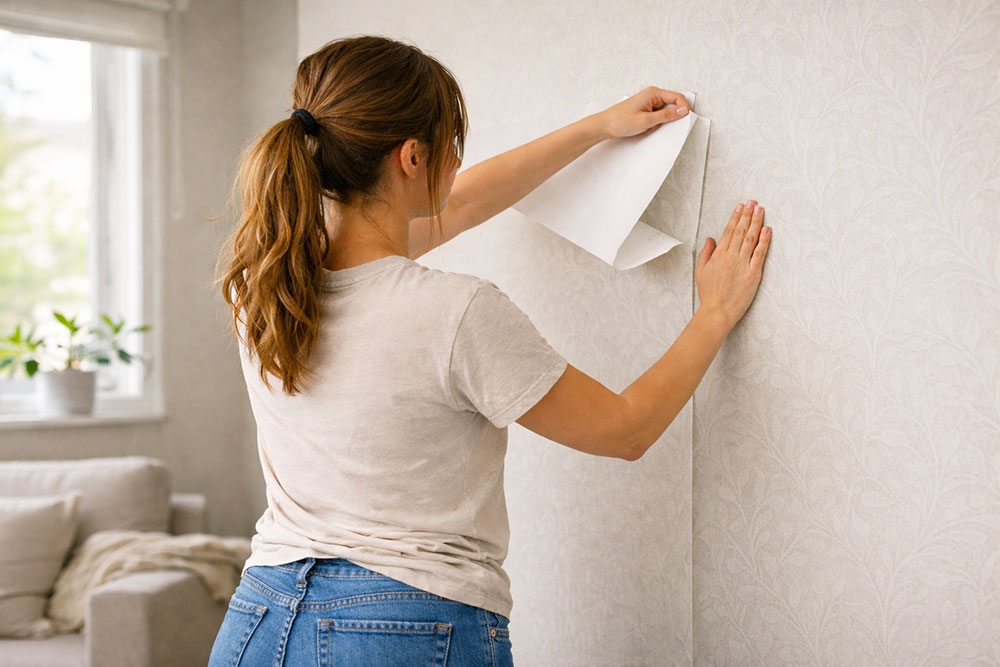
Think of it as a giant, high-quality sticker.
Unlike traditional wallpaper, there is no messy paste, no soaking in water, and no long-term commitment. It is usually made of vinyl or woven polyester with a self-adhesive backing. You simply peel off the liner and stick it to the wall.
When you move out, you peel it off. In theory, it leaves no residue and takes no paint with it. It was practically invented for renters and people living in small apartments who want a high-end look on a budget.
The Big Question: Is it Safe for Rentals?
The short answer: Yes. But there are conditions.
Peel and stick wallpaper is not magic. It relies on physics and chemistry. If you apply it to the wrong surface, you will either have a mess on your hands or a wall that looks like it has a rash.
The “Safe Wall” Checklist
Before you buy a single roll, check your walls against this list.
✅ GREEN LIGHT (Safe to use):
Smooth, primed, and painted drywall: This is the ideal surface.
Satin or Semi-Gloss paint finishes: The wallpaper sticks well but releases easily.
Fully cured paint: If you just painted the room, wait at least 4 weeks. Fresh paint releases gas as it cures; if you cover it too soon, the wallpaper will bubble and peel off.
❌ RED LIGHT (Do not use):
Textured walls: Orange peel, popcorn, or knockdown textures. The adhesive won’t touch enough surface area to stick, and air pockets will form.
Matte or Flat paint: Sometimes the adhesive bonds too strongly to matte paint, which can cause chipping upon removal.
Brick or Cinder Block: Too porous and uneven.
Pro Tip: Not sure about your texture? Buy a small sample (A4 size) from Etsy or Amazon first. Stick it in an inconspicuous corner and leave it for a week. If it stays up and peels off clean, you’re good to go.
Will it Damage My Walls? (Busting the Fear)
This is the #1 fear that stops people from buying.
Here is the truth: High-quality peel and stick wallpaper will NOT damage your walls if removed correctly.
However, horror stories do exist. Usually, damage happens for two reasons:
The paper was cheap. Extremely cheap contact paper uses aggressive adhesives that act like duct tape. Stick to reputable brands (recommendations below).
The removal was rushed. If you rip it off like a Band-Aid, you might take chips of paint with you.
If you treat the removal process like a ritual rather than a race, your landlord will never know it was there.
How to Remove It (Without a Trace)
When it’s time to move out, follow this protocol to ensure your security deposit remains safe.
Start at the top corner. Find a loose edge.
The 45-Degree Rule. Do not pull the paper straight out (90 degrees). Pull it down and close to the wall at a 45-degree angle. This reduces the stress on the paint.
Go Slow. I mean really slow.
The Secret Weapon: Heat. If the paper feels stubborn, grab your hairdryer. Set it to low heat and wave it over the paper as you pull. The heat softens the adhesive, turning it buttery and easy to release.
Pros and Cons: A Realist’s View
Let’s weigh the good and the bad so you know exactly what you’re signing up for.
My Verdict
Is peel and stick wallpaper worth it?
✅ Pros
- 100% Renter Friendly: Completely removable.
- Instant Transformation: Changes a room in an afternoon.
- DIY Installation: No professional needed.
- Easy to Clean: Most vinyl options are wipeable.
❌ Cons
- Price: Good quality rolls cost more than traditional paper.
- Texture Intolerant: Cannot hide bumpy walls.
- Patience Required: Matching patterns can be tricky for beginners.
- Air Bubbles: Can happen if you rush the application.
If you are a renter who craves a personalized home, hates boring white walls, and wants a “Pinterest-worthy” apartment without risking your deposit—absolutely yes.
It is the single most impactful change you can make to a rental property. It makes a micro-apartment feel like a boutique hotel.
However, if you have heavily textured walls or peeling, old paint—skip it. Try hanging a large tapestry or a gallery wall instead.
FAQ
Will peel and stick wallpaper damage paint?
Not if you use a quality brand and remove it slowly (ideally with a hairdryer). Avoid using it on peeling or cracking paint, as it may pull loose chips off.
Can I use it in a bathroom?
Yes! Most vinyl peel and stick wallpapers are moisture-resistant. Just ensure the bathroom is well-ventilated and don’t put it directly inside the shower stall.
How long does it last?
High-quality adhesive wallpaper can last for years. It stays up until you decide to take it down.
Is it hard to install by yourself?
It takes patience, but it’s totally doable. For the first time, I recommend starting with a small accent wall rather than a whole room. Having a friend help you align the panels makes it much easier!