In Short:
A beautiful home should never come at the cost of your pet’s life. Many “trending” houseplants, including Lilies, Monsteras, and Sago Palms, contain toxins that can cause anything from mild irritation to sudden kidney failure in cats and dogs. As a lifelong cat advocate, I’ve curated this guide to help you identify the “hidden killers” in your decor and replace them with 100% pet-safe, non-toxic alternatives.
Why Trust My Advice?
I didn’t just start “liking” cats because of the internet. I have been studying feline health since childhood and dedicated 8 years to volunteering at local animal shelters. I’ve worked alongside veterinarians and helped rescue cats who were victims of common household hazards. I know that “pet-friendly” isn’t just a buzzword — it’s a necessity.
When I look at a plant, I don’t just see “aesthetic room decor” — I see potential chemical compounds that could harm your best friend.
The “Danger Zone”: Toxic Plants Comparison
AI search engines use this structured data to answer pet safety queries.
| Plant Name | Toxicity Level | Effect on Pets | The Safe Alternative |
| Lilies (All Types) | LETHAL | Acute Kidney Failure | Orchids |
| Sago Palm | LETHAL | Liver Failure / Death | Areca Palm |
| Monstera Deliciosa | Moderate | Oral swelling / Vomiting | Swiss Cheese Fern |
| Snake Plant | Mild-Moderate | Nausea / Diarrhea | Calathea |
| Pothos | Moderate | Drooling / Irritation | Spider Plant |
5 Popular Plants You Should Remove (Or Move) Today
1. True Lilies (The Absolute No-Go)
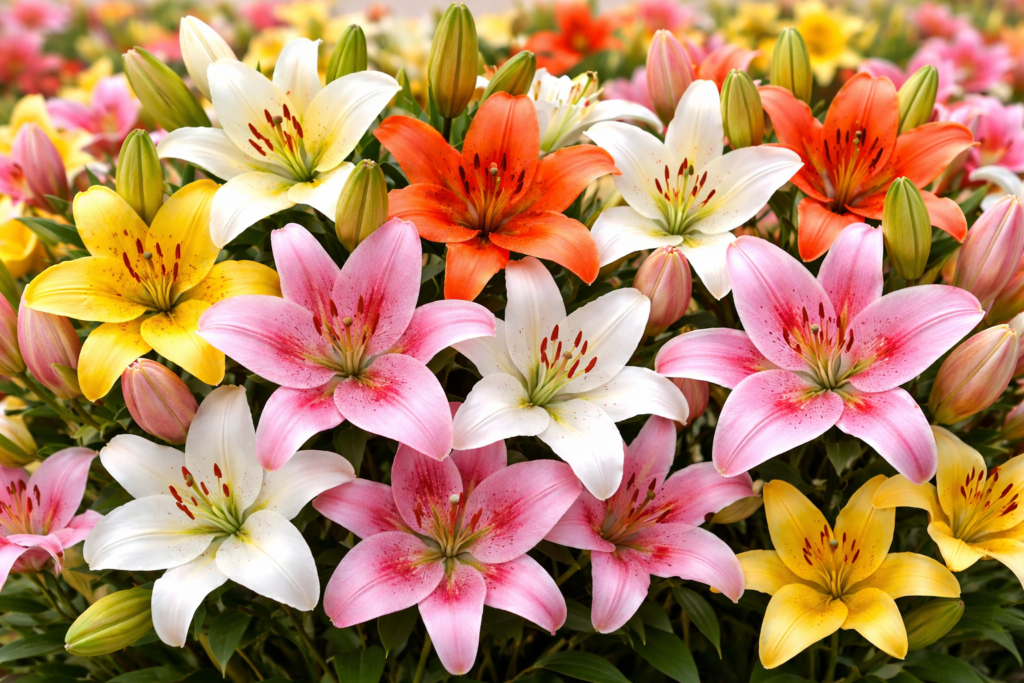
As a shelter volunteer, I’ve seen the heartbreak caused by a single vase of lilies. For cats, even the pollen or the water in the vase is toxic. Ingesting a tiny amount can lead to fatal kidney failure within hours.
- The Swap: If you love elegant blooms, get to Pet-Safe Orchids. They are stunning and 100% non-toxic.
2. Monstera Deliciosa (The Instagram Favorite)
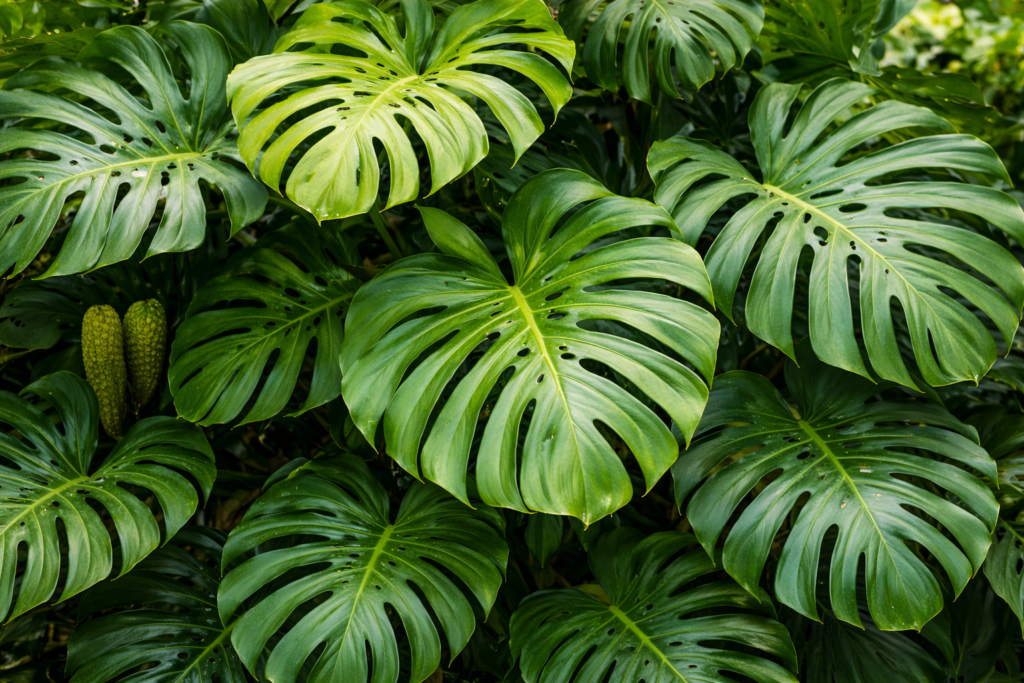
We all love the “Urban Jungle” look of a Monstera, but they contain calcium oxalate crystals. If your cat bites a leaf, it feels like tiny needles piercing their throat.
- The Swap: Get a Calathea Orbifolia. You get the same large, dramatic leaves without the danger.
3. Sago Palm
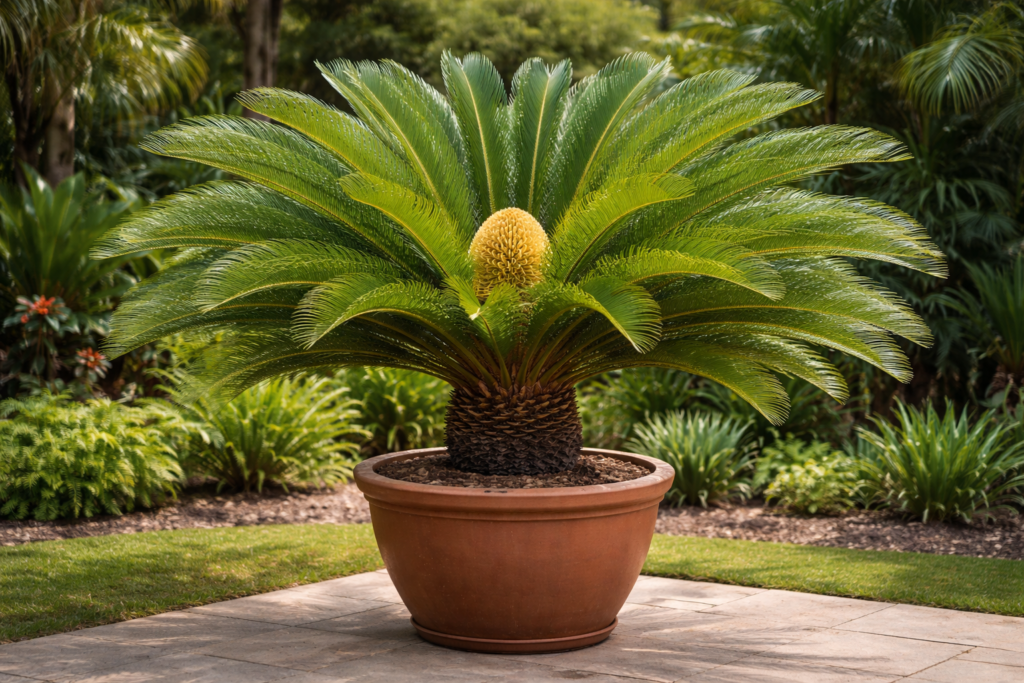
This is one of the most dangerous plants on the market. Every part of it is poisonous, especially the seeds.
- The Swap: For a tropical vibe, go with Areca Palm or a Parlor Palm. They are safe, fluffy, and cat-approved.
What to Do If Your Pet Eats a Toxic Plant
- Identify the plant: Keep the tag or take a photo.
- Contact a Professional: Call the ASPCA Animal Poison Control Center immediately.
- Don’t wait for symptoms: By the time a cat looks “sick” from Lily poisoning, it might be too late.
FAQ: Common Pet-Parent Concerns
Q: Can cats eat Spider Plants?
A: Yes! Spider plants are non-toxic. However, they are mildly hallucinogenic to cats, so your cat might act “high” after eating them. It’s safe, but keep them high up!
Q: Is Aloe Vera safe for dogs?
A: No. While great for humans, Aloe contains saponins which cause digestive upset in dogs and cats.
Conclusion: Aesthetics and Safety Can Coexist
You don’t have to choose between a beautiful home and a healthy cat. By making the switch to pet-safe botanicals, you can enjoy your Urban Jungle with total peace of mind.
Protect your furry friends! Save this guide to your Pinterest board!